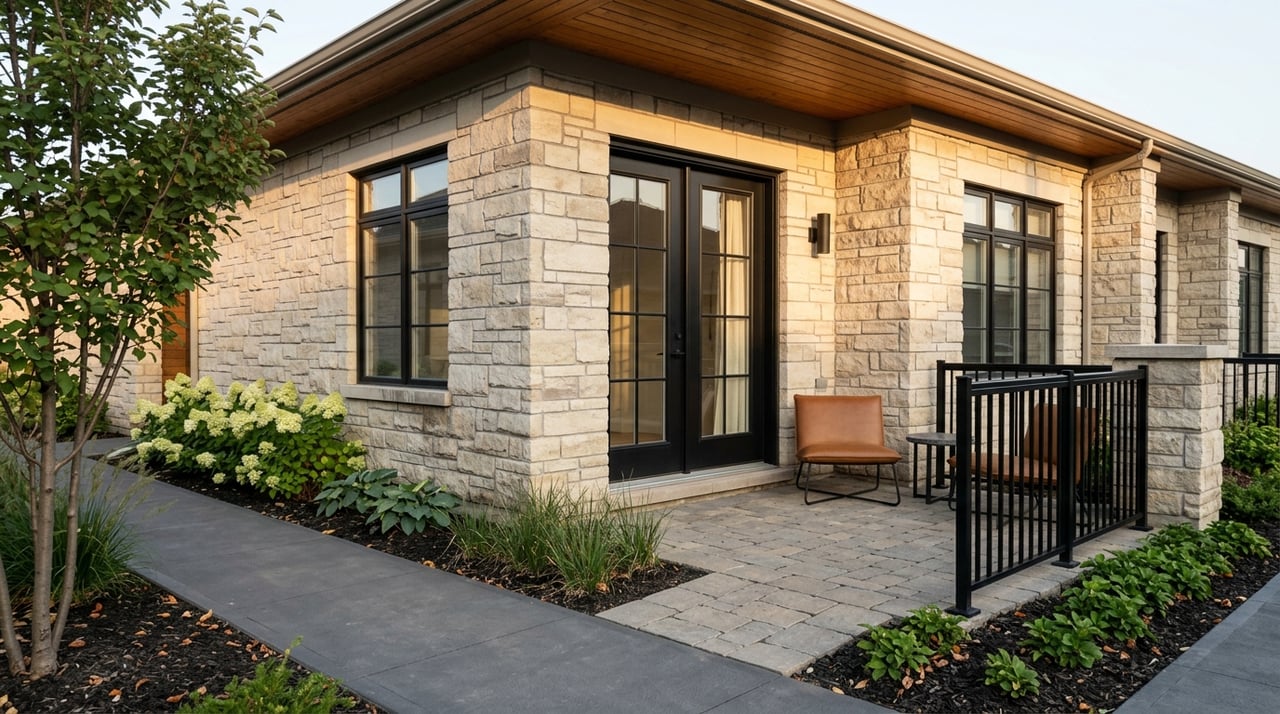
Trying to choose between a condo and a cottage on Delavan Lake? You are not alone. For many buyers, the hard part is not falling in love with the lake. It is figuring out which type of ownership actually fits your lifestyle, budget, and plans for the property. The good news is that the right choice usually becomes clearer once you look at maintenance, rules, lake access, rental goals, and resale factors side by side. Let’s dive in.
Start With the Real Tradeoff
On Delavan Lake, this decision is usually less about size and more about shared convenience versus owner control. A condo can simplify some day-to-day responsibilities, but it also comes with association governance, rules, and shared decision-making. A cottage often offers more privacy and freedom, but you take on more of the upkeep and compliance yourself.
That tradeoff matters even more here because Delavan Lake is public navigable water. Under Wisconsin DNR guidance, the public has the right to use navigable waters, but your practical use of the lake depends on access points, easements, launches, piers, and permission to cross private land when needed. In other words, what you are really evaluating is often not just the home itself, but how the property connects you to the lake.
Why a Condo Appeals to Many Buyers
A Delavan Lake condo often works well if you want a more predictable ownership experience. In Wisconsin, the condominium association is the legal entity that governs the project, and the board handles policy and operations. That means exterior changes, common-area maintenance, and many shared decisions are handled within a formal structure.
For some buyers, that is a major plus. Snow removal, common-area care, and some exterior upkeep may be shared through the association. If you want a lake property that feels more turnkey, that convenience can be very attractive.
Condo ownership means more structure
Wisconsin condo resale disclosures are designed to show you how the community operates. The disclosure materials can outline:
- Maintenance and repair responsibilities
- Rental restrictions
- Parking rules
- Pet rules
- Reserve funding
- Whether certain expenses are paid through assessments
That structure can help you know what you are buying into. It can also mean less flexibility if you want to make exterior changes or use the property in a way the association does not allow.
Amenities can add real value
Some Delavan Lake association properties offer private-use amenities that make lake living easier. Local examples around the lake include private parks, beaches, piers, boat launches, and association-maintained roads. For buyers who want convenience and shared recreation spaces, those features can make a condo or association property feel especially appealing.
Still, it is important to ask exactly how those amenities work in practice. In at least one local association example, pier tenancy may take one to three years to obtain. So even when lake access is included in the lifestyle appeal, the timing and rules matter.
Why a Cottage Appeals to Buyers Who Want Control
A standalone cottage usually gives you more independence. You generally have more say over how you use the lot, how private the setting feels, and how you manage the property over time. If you value space, separation from neighbors, and direct control, a cottage may feel like the better fit.
That freedom comes with responsibility. On an unincorporated parcel near Delavan Lake, Walworth County shoreland rules often apply, and those rules can affect what you can build, change, or remove. Shorelands extend 1,000 feet from navigable lakes, and local standards include a 75-foot shoreyard, a 35-foot no-touch buffer, and limits on impervious surface and shoreline alterations.
Cottage ownership means more hands-on oversight
For a cottage owner, maintenance is usually more direct and more personal. Walworth County flags a range of projects that may require permits or review in shoreland areas, including:
- Decks
- Patios
- Retaining walls
- Fences
- Boathouses
- Grading
- Vegetation work
Older cottages can require even more due diligence. If the property has a private well or septic system, those systems may affect your costs, improvement plans, and future use of the home.
Older lake cottages need careful review
If you are considering a cottage as a part-time getaway, future rental, or long-term investment, physical systems matter. Walworth County notes that private well testing is required for short-term rental licensing, and septic systems must meet code for the intended occupancy and may need inspection or replacement. For one- and two-family dwellings built since June 1, 1980, Wisconsin’s Uniform Dwelling Code also applies statewide.
That does not mean cottages are harder to own across the board. It means you should expect more property-specific questions and more direct responsibility as the owner.
Rental Plans Can Change the Decision Fast
If rental income is part of your plan, do not assume either option is automatically better. In Delavan, rental feasibility depends on the property, the location, and the governing rules.
Wisconsin DATCP rules are broad enough that a tourist rooming house can include a one- or two-family dwelling, a condominium unit, a tourist cabin, or a cottage. So the first question is not condo versus cottage. The real question is whether the property and its rules support the rental model you want.
City and town rules matter
In the City of Delavan, short-term rental use is tightly regulated. Local code requires an annual short-term rental license, a building-code inspection, insurance, a Wisconsin tourist rooming house license, a room-tax permit, and a general business license. It also limits operation to 180 consecutive days in a 365-day period, requires a minimum seven-night rental period, caps occupancy, requires a designated operator, and requires off-street parking.
In the Town of Delavan, the process includes multiple steps. The town says owners must complete the state tourist rooming house application, the Walworth County short-term rental application, the town application, room-tax forms, business registration, and a business directory application before approval or renewal will be granted.
Association rules may be stricter
This is where many buyers get surprised. Even if local law allows a certain rental use, association documents may be more restrictive. A local example from the Lake Delavan Highlands Association states that nightly, weekly, and monthly rentals are prohibited, with only rentals of at least one year allowed.
That is why rental due diligence is so important before you buy. A condo may seem simpler to manage, and a cottage may seem easier to rent, but in both cases the governing documents and local approvals can reshape the whole opportunity.
Lake Access Is Often the Real Decision Point
Many buyers start by asking whether they want a condo or a cottage. In practice, the better question is often: What kind of lake access do you want, and how is it secured?
Because Delavan Lake is public water, ownership does not automatically mean you control the lake itself. Your actual experience may depend on a dock slip, shared pier rights, a private launch, an easement, a beach area, or association access.
Shared access can still be excellent
Some buyers assume a cottage is always better for lake living, but shared-access properties can be a strong fit when the access is well organized and well maintained. Association amenities like private parks, beaches, launches, and piers can create a very easy lake lifestyle.
The key is to verify what is included now, what may involve a wait, and what comes with separate fees or rules. Clear answers here can save you frustration later.
Privacy usually leans cottage
If your top priority is a more private setting, a detached cottage often has the edge. You may have more separation from neighbors and more direct control over your immediate outdoor space. That said, privacy does not erase the need to follow shoreland, zoning, and building rules.
On Delavan Lake, privacy and convenience usually pull in opposite directions. The right answer depends on which one matters more to you.
Resale Questions to Ask Before You Buy
Whether you choose a condo or a cottage, a smart purchase starts with strong due diligence. The details that affect your enjoyment today are often the same details that affect resale value later.
Key condo questions
If you are buying a condo, focus on the association’s financial health and operating rules. Ask for clarity on:
- Reserve accounts
- Annual budget details
- Unit-owner repair responsibilities
- Common-element maintenance responsibilities
- Rental restrictions
- Parking rules
- Pet rules
- Exterior-change approval requirements
In Wisconsin, condo disclosure and records-access rules are built around these issues for a reason. They can shape both your monthly experience and your long-term costs.
Key cottage questions
If you are buying a cottage, focus on the property’s physical condition and regulatory fit. Important questions include:
- Was shoreline work properly permitted?
- Are there septic or well issues?
- Are there setback or impervious-surface concerns?
- Is the property subject to HOA or improvement association rules?
- Are there dues, pier rights, or rental restrictions tied to the property?
These are not small details. On a lake property, they can directly affect use, cost, and future marketability.
How to Decide Which Fits You Best
If you want a simpler ownership structure, shared amenities, and a more predictable maintenance setup, a condo may be the right move. If you want more privacy, more autonomy, and greater control over the property, a cottage may fit better.
On Delavan Lake, though, the smartest decision usually comes down to five local questions:
- How do you want to access the lake?
- How much maintenance do you want to handle yourself?
- Are you comfortable with association rules and shared governance?
- Do you want the option to rent the property, and under what terms?
- Are you prepared for shoreland, septic, well, or permit-related issues if you buy a cottage?
When you answer those clearly, the choice usually becomes much easier.
If you are weighing a Delavan Lake condo against a cottage, local details matter more than broad assumptions. A property that looks perfect online can feel very different once you understand the access rights, association rules, shoreland restrictions, and rental limits behind it. Working through those details early can help you buy with more confidence and avoid expensive surprises later.
If you want help comparing Delavan Lake properties with a clear eye on lifestyle, access, and long-term value, connect with Shannon Blay.
FAQs
What is the biggest difference between a Delavan Lake condo and cottage?
- The biggest difference is usually shared convenience versus owner control. Condos often offer more predictable maintenance through an association, while cottages usually offer more privacy and independence with more owner responsibility.
Can you rent out a condo or cottage on Delavan Lake?
- Possibly, but you need to confirm state licensing, local town or city rules, county requirements where applicable, and any condo or association restrictions before assuming rentals are allowed.
Does owning on Delavan Lake mean you own part of the lake?
- No. Delavan Lake is public navigable water, so the practical value of a property often depends more on legal access arrangements like piers, launches, easements, or shared-use rights.
What should you review before buying a Delavan Lake condo?
- Review the condo resale disclosure materials closely, including maintenance responsibilities, rental rules, parking, pets, reserve funding, budget information, and any limits on exterior changes.
What should you inspect before buying a Delavan Lake cottage?
- Focus on shoreline compliance, well and septic conditions if applicable, permit history for improvements, setback and impervious-surface issues, and any HOA or improvement association rules tied to access or rentals.