Thinking about buying a Delavan Lake property and turning it into a short‑term rental? You are not alone. Investors are drawn to the lake lifestyle and steady summer demand, but real returns depend on the details. In this guide, you will learn the specific features, seasons, and operating choices that drive revenue and risk on Delavan Lake so you can model ROI with confidence. Let’s dive in.
The big revenue drivers
Water access and frontage
Private waterfront with a dock or boat slip is the strongest revenue driver around Delavan Lake. Guests pay more for true lake views, direct swim access, and the ability to dock a boat. Association shoreline or a community beach still commands a premium, just typically less than private frontage.
If a property is not on the water, being a short walk to the lake or near a public launch helps conversion with budget‑minded groups and anglers. Proximity to marinas can offset the lack of a private dock. Keep in mind that docks, lifts, and shore work often require permits, and shoreland zoning or riparian rules can limit what you can add or modify.
Capacity, layout, and bathrooms
Bedroom and bathroom count is a direct multiplier of revenue. More sleeping capacity supports higher nightly rates and larger bookings. Floor plans with separate sleeping areas, multiple full baths, and flexible sleeping options fit multigenerational groups and improve booking conversion. Confirm legal occupancy limits, especially if the home is on a septic system.
Outdoor spaces that sell the stay
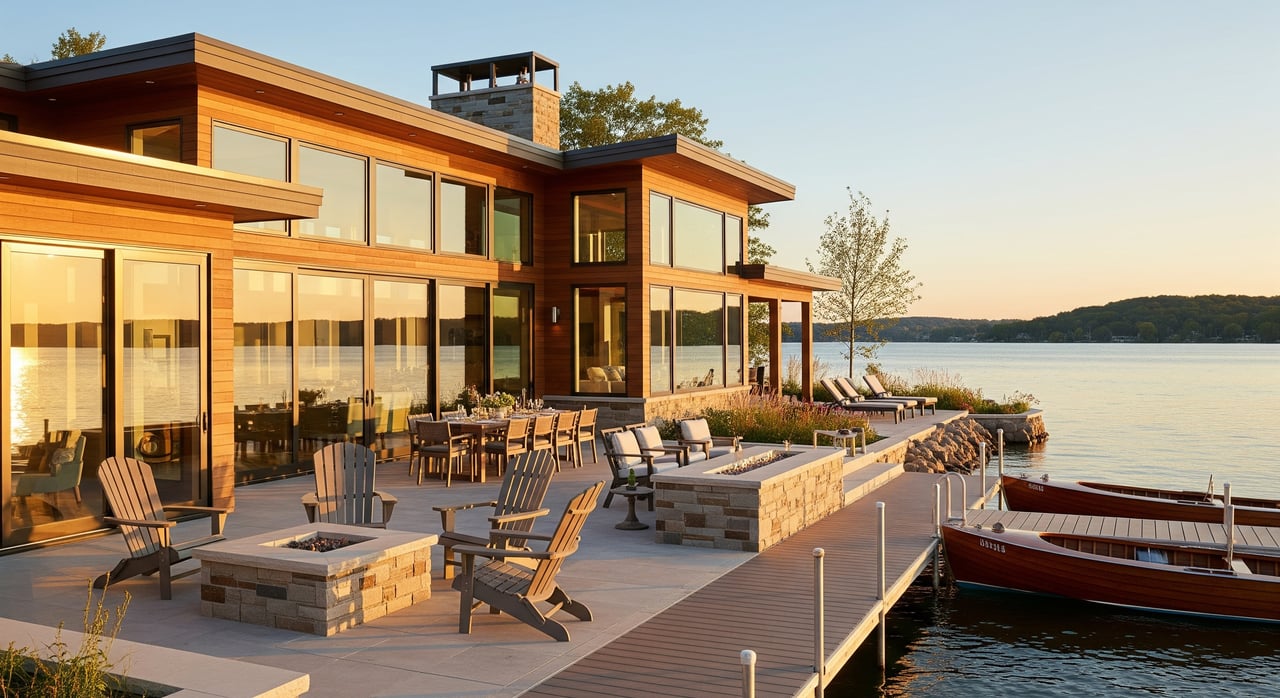
Well‑designed outdoor living can lift both occupancy and nightly rate. High‑impact features include a safe, well‑lit dock, a hot tub, a firepit, outdoor dining and grilling, lakeside seating, and storage for kayaks or paddleboards. Plan for durable outdoor furniture, thoughtful lighting, mosquito control, and clear dock safety features like non‑slip surfaces and ladders.
Listing quality and pricing strategy
Professional photography, a complete amenity list, clear rules, and fast responses help your listing rise in platform search. Dynamic pricing is essential around Delavan Lake. Adjust for season and local events, use longer minimums on peak holiday weeks, and relax minimums in shoulder periods to maintain occupancy. Static pricing leaves money on the table in both high and low demand windows.
Seasonality and demand patterns
Peak, shoulder, and low seasons
High season runs June through August, when lake activity is strongest and both ADR and occupancy peak. Shoulder seasons include late May and September through early October, which attract quieter getaways and anglers. Late fall through early spring is the low season except for holidays or targeted winter activities, often with discounted rates and lower occupancy.
Weekends versus weekdays
Summer weekends book first and carry the highest rates. Larger homes and well‑equipped properties can attract weekday stays during peak months, especially when you fine‑tune minimum nights and pricing. In shoulder seasons, flexible policies and event‑focused marketing help fill gaps.
Who books Delavan Lake
Core guests include boating groups, multigenerational gatherings, drive‑market weekenders from Milwaukee and Chicago, and anglers. You may also see couples, small retreats, and visitors attending nearby events or weddings. The strong drive‑to profile supports shorter booking lead times, especially for summer weekends.
Pricing levers and add‑ons
Holiday weekends, regional festivals, and wedding season create short windows of pricing power. Add‑on revenue can include boat or paddleboard rentals, pet fees, late checkouts, and cleaning fees. These add up, but be mindful of perceived price transparency in your listing.
Costs, compliance, and risks that affect ROI
Capital expenses and maintenance
Waterfront homes carry unique upkeep. Plan for dock and lift maintenance, shoreline stabilization or seawall work, and permit costs over time. Choose durable exterior materials and winterize as needed. Systems matter: septic capacity, well quality, HVAC sizing, and insulation influence guest comfort and your operating costs.
Operating costs to expect
Turnovers are more intensive with larger group stays and lakeside sand and gear. Utilities rise in shoulder and winter months if you attract cooler‑weather bookings. Lakefront STRs often carry higher insurance premiums, especially if you offer docking or watercraft. If you hire full‑service management, fees commonly range in the 20 to 35 percent band of booking revenue; self‑management saves cash but requires time and local presence.
Legal and tax checkpoints
Confirm short‑term rental rules with the City or Town of Delavan and Walworth County, including licensing, occupancy, parking, and noise standards. Shoreline and dock work may need county and Wisconsin DNR approvals, and shoreland setback or vegetative buffer rules can shape what is possible. You are responsible for collecting and remitting applicable state and local sales or room taxes and reporting rental income; some platforms may remit certain taxes, but you should verify.
Risk factors and how to mitigate
Expect rule changes risk, environmental permitting limits, and heavy summer seasonality. Build conservative models, keep a maintenance reserve for waterfront items, invest in safety equipment, and diversify demand with shoulder‑season stays where possible. Buying properties with year‑round appeal can smooth cash flow.
A clear decision framework for investors
Site and regulatory due diligence
- Confirm water access type: private dock, association shoreline, or near‑lake with public launch access. Verify riparian rights if applicable.
- Check existing permits for docks or shoreline work and the likelihood of future approvals.
- Inspect septic and well capacity for peak occupancy and review compliance records.
- Verify whether STRs are permitted, any licensing requirements, occupancy caps, parking limits, and noise ordinances.
- Price insurance with carriers experienced in lakefront STRs.
- Pull 12 to 24 months of STR comps for similar access type and guest capacity to set ADR and occupancy expectations.
Model the numbers that matter
- Revenue inputs: seasonal ADR by month, seasonal occupancy by month, and add‑on revenue.
- Expense inputs: mortgage, taxes, insurance, HOA dues, cleaning, utilities, supplies, management fees, routine maintenance, and a reserve for docks and landscaping.
- KPIs to track: gross yield, NOI, cap rate, cash‑on‑cash return, and payback period. Run conservative, base, and optimistic scenarios by adjusting ADR and occupancy 10 to 30 percent.
Pre‑listing operational setup
- Furnish for durability and photos with neutral styling and ample linens.
- Implement safety measures: life jackets, dock signage, smoke and CO detectors, and clear emergency info.
- Optimize the listing with professional outdoor photography and a clear description of water access, parking, and house rules.
- Use a dynamic pricing tool and seasonal minimum night strategy.
- Build a vendor roster for housekeeping, routine maintenance, and urgent dock or seawall needs, plus a local contact for guest issues.
Practical local next steps
- Gather market metrics through STR intelligence tools for the Delavan Lake area to understand ADR, occupancy, and seasonality.
- Speak with a few local property managers for on‑the‑ground cost and performance benchmarks.
- Review zoning maps and any STR licensing requirements with the City or Town of Delavan and Walworth County Land Use and Zoning.
- Consult Wisconsin DNR guidance on shoreland rules and dock or waterway permitting before committing to any waterfront upgrades.
- Confirm state and local tax collection rules with the Wisconsin Department of Revenue and local authorities.
- Build relationships with marinas, cleaning teams, and seasonal contractors who know lakeside operations.
Ready to evaluate a Delavan Lake opportunity or compare options across the Geneva Lakes area? You will benefit from local insight on shoreline rules, seasonality, lakefront amenities, and pricing. If you want a clear plan to buy, prepare, and position your property for short‑term rental success, connect with Shannon Blay for a thoughtful, concierge‑level approach.
FAQs
What most increases nightly rates on Delavan Lake?
- Private waterfront with a safe, usable dock is the single strongest driver, followed by association shoreline and then near‑lake access with proximity to launches or marinas.
How many bedrooms and baths maximize ROI for lake rentals?
- Properties with multiple bedrooms and more than one full bath often hit a sweet spot for group stays, but you should model based on comps and confirm legal occupancy limits.
Do I need permits for docks or shoreline work on Delavan Lake?
- Often yes; shoreland zoning, county rules, and Wisconsin DNR permitting can apply to docks, lifts, and shoreline modifications.
How should I price across seasons on Delavan Lake?
- Use dynamic pricing with peak rates in June through August, flexible minimums in shoulder seasons, and discounts or targeted promotions in late fall through early spring.
What taxes apply to short‑term rentals in Walworth County?
- Hosts typically must collect and remit applicable state and local sales or room taxes and report rental income, and platforms may remit some taxes in certain cases.
Is professional management worth it if I live out of town?
- If you cannot respond quickly to on‑site issues, professional management often improves guest experience and occupancy despite the added fee.