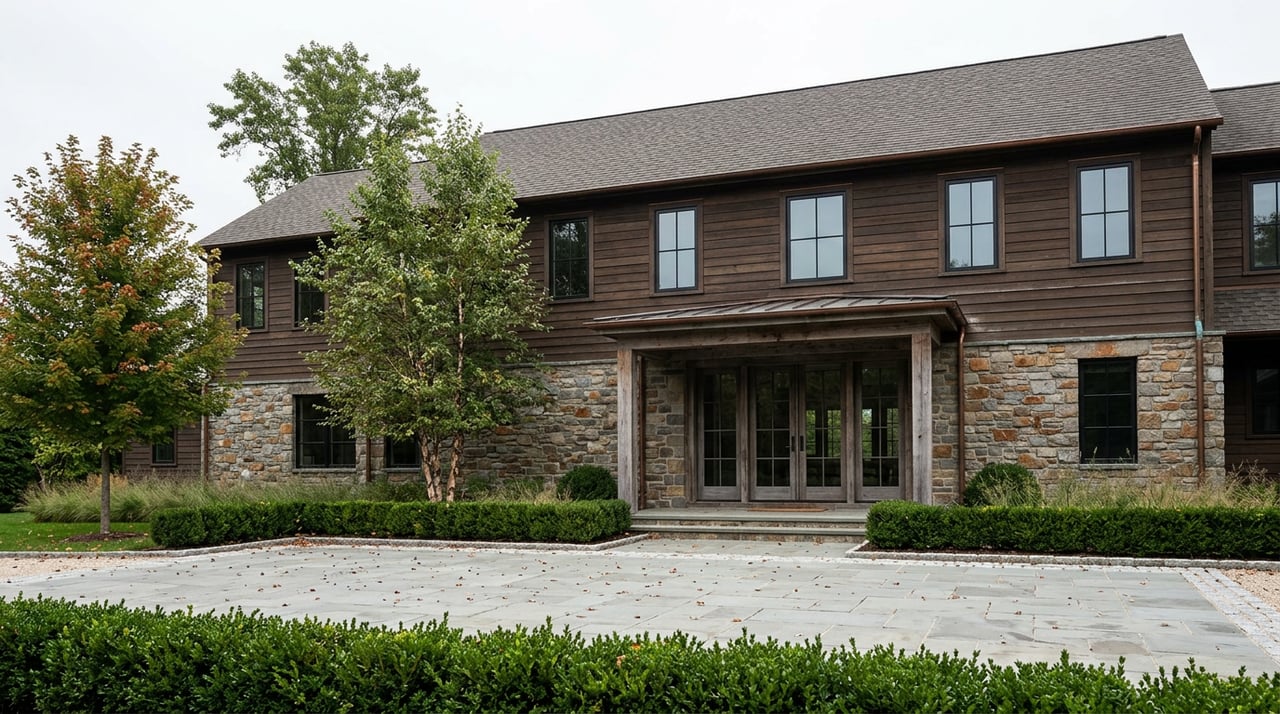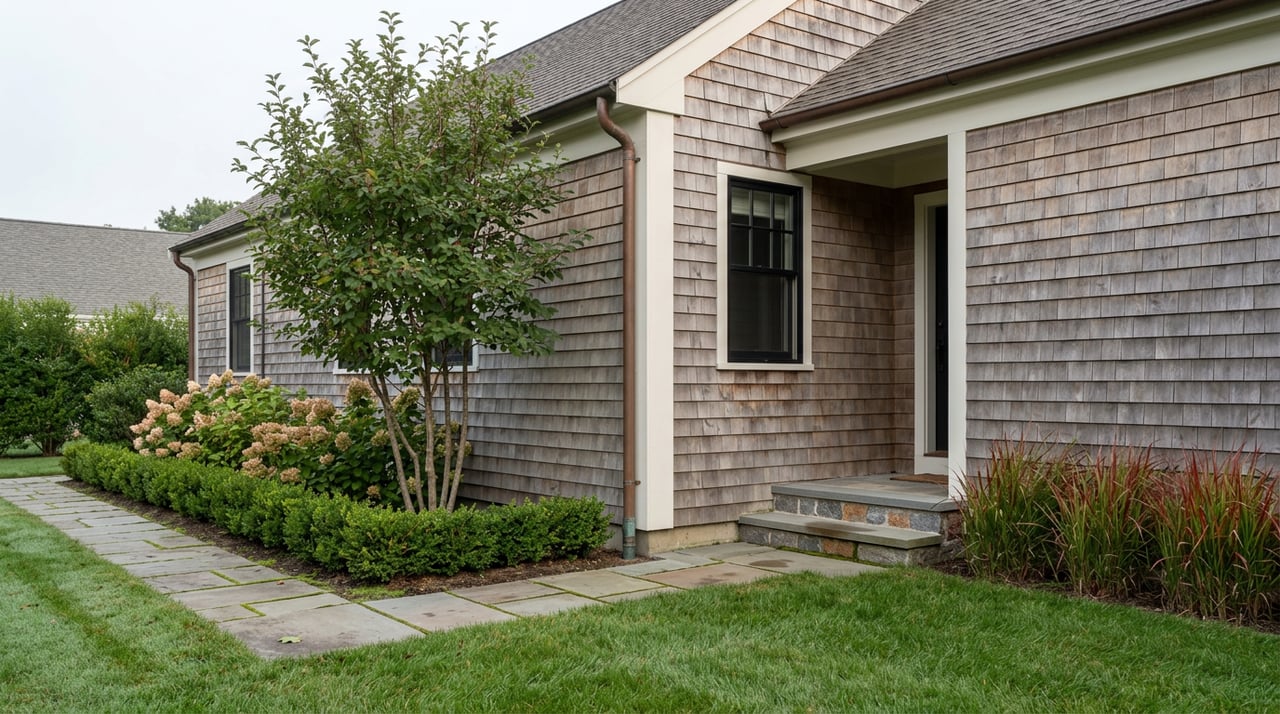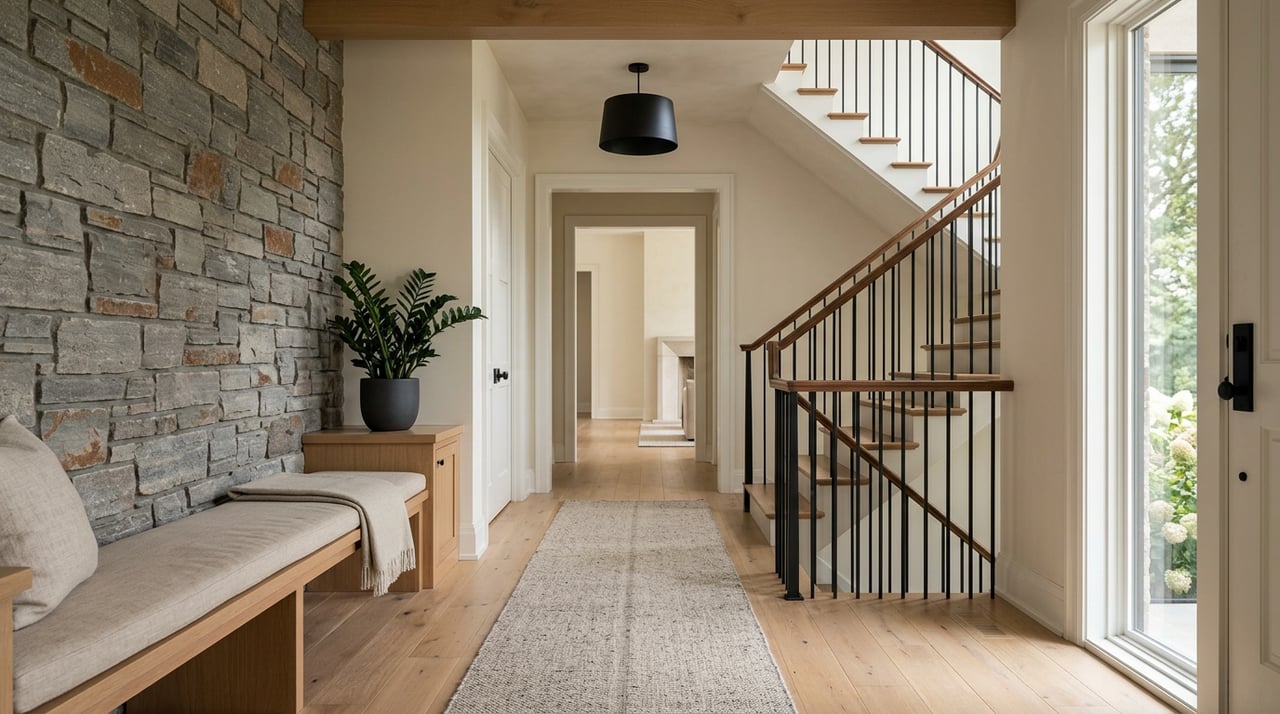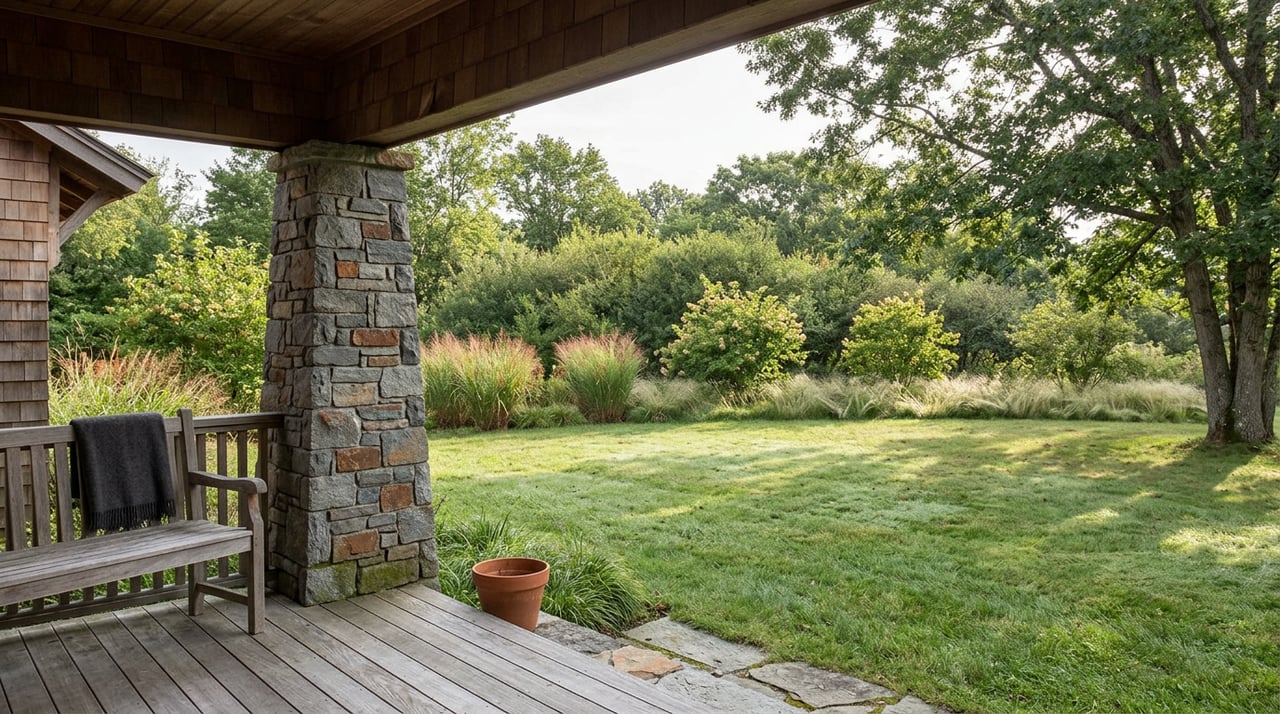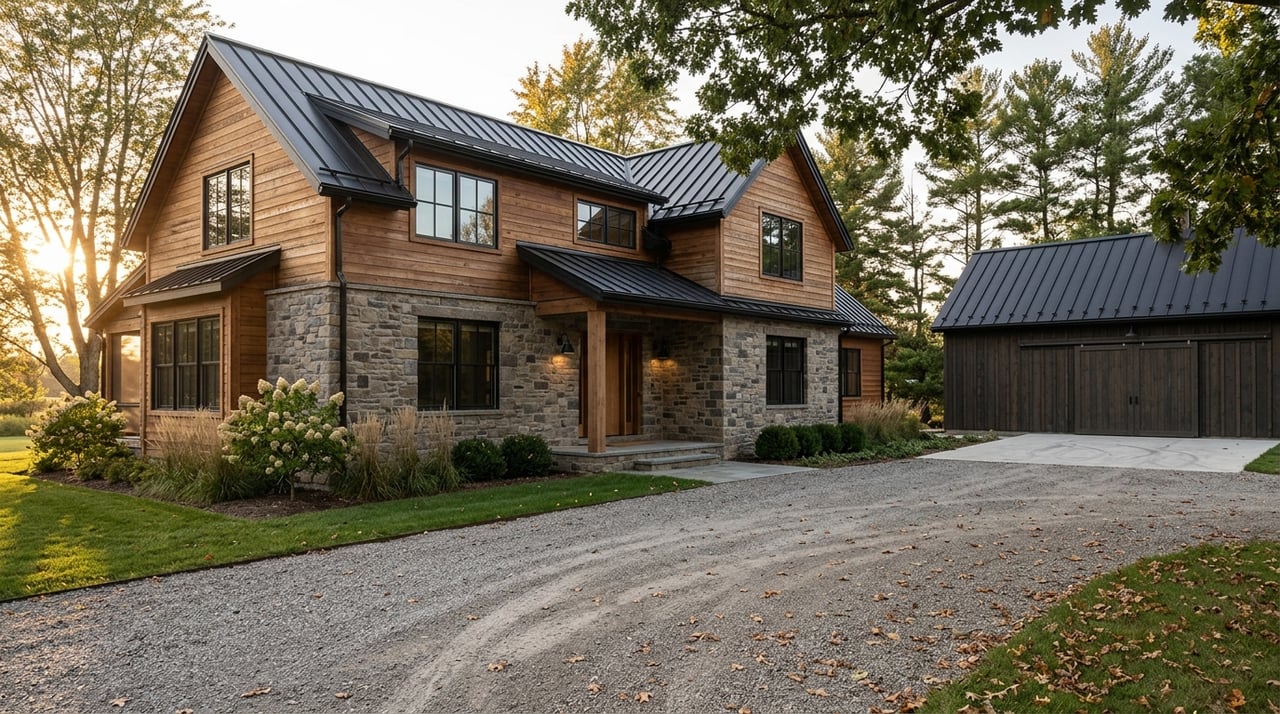
Looking for space, privacy, and a true Geneva Lake lifestyle without giving up access to the area’s lake-centered identity? Linn stands out for exactly that reason. If you are considering acreage or estate living in Walworth County, this guide will help you understand what makes Linn unique, what to watch for before you buy, and how to think about value in this part of the market. Let’s dive in.
Why Linn Stands Out
Linn occupies a distinct place in the Geneva Lake area. The town’s land-use plan directs future residential growth toward the north and south shores of Geneva Lake while also preserving Linn’s low-density rural character. In practical terms, that helps explain why Linn often feels quieter and more land-rich than some nearby communities.
That balance matters if you want room to spread out without losing your connection to the lake. Linn is closely tied to Geneva Lake’s identity, yet nearby commercial centers are concentrated in Lake Geneva, Williams Bay, and Fontana. For many buyers, that creates an appealing mix of privacy, open land, and convenient access to the broader Geneva Lake area.
Linn also has real estate roots that run deep. The Geneva Lake Environmental Agency serves Linn along with the other Geneva Lake communities, which reflects the area’s ongoing stewardship focus. Historically, Black Point Estate in Linn, built in 1888 on nearly eight acres with 620 feet of shoreline, shows that estate living here is not a new trend. It is part of the town’s long-standing character.
What Acreage Living Feels Like
Acreage living in Linn is usually less about density and more about breathing room. You may find wooded parcels, open land, interior country settings, or lake-influenced properties with a more private feel. That variety is part of the appeal, but it also means one property can live very differently from the next.
If you are drawn to outbuildings, hobby uses, or animal-friendly land, Linn can offer possibilities that are harder to find in more compact lake communities. At the same time, larger parcels often come with more responsibility. You are not just buying a house. You are often taking on site management, vegetation upkeep, and parcel-specific due diligence.
For some buyers, that tradeoff is exactly the point. You get more separation, more flexibility, and a stronger sense of retreat. If you want walkable village living or the simplest maintenance profile, a more compact Geneva Lake community may be a better fit.
Zoning Shapes What You Can Do
In Linn, the value of acreage often depends on what the parcel actually allows. The town’s preferred land-use plan favors conservation subdivisions at about one lot per five acres. It also states that A2 agricultural land requires 20 acres and 300 feet of frontage on a public road.
For A1 prime agricultural land, the minimum is 35 acres. The plan allows one- to five-acre separations only in limited farm-consolidation situations. That means larger parcels may look promising at first glance, but potential uses, splits, and building options can vary significantly based on zoning.
This is one reason parcel-by-parcel analysis matters so much in Linn. Two properties with similar acreage can offer very different opportunities depending on frontage, zoning classification, and location. If you are evaluating land or an estate property, those details should be part of your first conversation, not an afterthought.
Outbuildings and Horses
Walworth County zoning gives some flexibility, but not without limits. The county does not cap the number of accessory structures on a parcel, though it does limit total accessory square footage based on lot area. That can be important if you are thinking about a barn, workshop, storage building, or other detached structure.
The county also says vacant nonagricultural land generally cannot have an accessory structure without a residence. Agricultural-zoned land can have agricultural-related structures without a residence. If your goals include staging a future build, hobby farming, or creating functional storage space, that distinction matters.
Horses are permitted on A-1, A-2, A-3, A-5, and C-2 land. Any building with animals must be set at least 100 feet from side and rear property lines. If animals are part of your vision, the parcel’s zoning and layout will be key.
Shoreland Rules Near Geneva Lake
If the property is near Geneva Lake, shoreland rules can shape both current use and future plans. In Walworth County, shoreland zoning applies within 1,000 feet of a lake or pond and within 300 feet of a river or stream. That reach is broader than some buyers expect.
Tree or vegetation removal in shoreland or floodplain areas may require county review. Boathouses are allowed only under specific conditions, and they cannot be used for habitation or commercial purposes. For estate buyers, these rules are not necessarily obstacles, but they do reward careful planning before you make changes.
What Prices Look Like in Linn
Linn is not a one-price market. Current examples show a broad range depending on whether you are looking at an interior lot, a wooded parcel, an improved homesite, or a true lakeshore estate property. That is why broad averages can offer context, but they should never replace a property-specific evaluation.
Zillow’s Linn housing market page shows an average home value of $744,597, updated April 30, 2026. Because that figure is a modeled home value index, it is best used as general market context rather than a substitute for closed-sale data. It helps illustrate the market’s baseline, but not the full spread.
Current land listings reflect that range clearly. Examples include parcels listed at $250,000 for 2.2 acres, $329,900 for 5.29 acres, $485,000 for 2.04 acres, and $975,000 for 4.98 acres. Those examples show how buildable acreage in Linn can move from the low six figures to the high six figures based on location, utility, and site characteristics.
Home listings run even wider. Current examples on Linn’s market pages range from about $599,000 and $675,000 up to $2.25 million, $3.3 million, $6.595 million, $8.49 million, and more than $10.995 million. That spread reflects the fact that Linn includes both more modest rural homes and high-end estate-level properties tied to the Geneva Lake lifestyle.
A parcel with improvements or stronger lake influence may also command a premium beyond raw land value. One Linn Road example places a 2.39-acre property at an estimated $662,000, showing how frontage, improvements, and proximity can shape pricing. In other words, acreage alone does not tell the whole story.
What to Consider Before You Buy
Acreage and estate living in Linn can be rewarding, but it tends to work best when you go in with a clear plan. A new residence may involve zoning, sanitary or septic, and erosion-control permits. On shoreland parcels, additional vegetation or boathouse rules may also come into play.
It helps to think beyond the house itself. Ask how much of the land is usable, what upkeep the site will need, and whether the parcel supports your long-term goals. A larger wooded property may offer privacy and beauty, but it can also require more hands-on maintenance over time.
You should also match the property to your lifestyle. If you want room for animals, detached structures, and a quieter setting near Geneva Lake, Linn may be a strong fit. If you want compact living with less site work and more in-town convenience, another nearby community may align better.
Who Linn Fits Best
Linn often appeals to buyers who want privacy without stepping away from the Geneva Lake market. That can include estate buyers seeking a more secluded setting, second-home owners looking for room to spread out, or local buyers who want larger parcels and a more rural feel. The common thread is usually space, flexibility, and a preference for lower-density surroundings.
It can also appeal to buyers who value the idea of stewardship. Geneva Lake is not just scenery here. The lake and its surrounding communities are shaped by ongoing environmental oversight and long-established patterns of lakeshore ownership.
Most of all, Linn fits buyers who understand that land adds both opportunity and complexity. When you buy here, you are buying into a setting that can be deeply rewarding, but one where due diligence matters. The right property is often the one that aligns not just with your wish list, but with how you want to live and manage the land around you.
If you are exploring acreage or estate living in Linn, local insight can make a real difference. From parcel-by-parcel zoning questions to pricing nuance across the Geneva Lake area, working with an advisor who understands both the lifestyle and the details can help you move forward with confidence. To start the conversation, connect with Shannon Blay.
FAQs
What makes Linn different from other Geneva Lake communities?
- Linn is known for low-density rural character, larger parcels, and a quieter setting while still being closely tied to the Geneva Lake area.
What should you check before buying acreage in Linn?
- You should review zoning, frontage, permitted uses, shoreland rules if applicable, and any permit needs related to building, septic, or site work.
Are horses allowed on Linn acreage properties?
- Horses are permitted on A-1, A-2, A-3, A-5, and C-2 land in Walworth County, and animal buildings must be at least 100 feet from side and rear property lines.
Can you build an outbuilding on vacant land in Linn?
- On vacant nonagricultural land, accessory structures generally cannot be built without a residence, while agricultural-zoned land can allow agricultural-related structures without a residence.
How much do acreage properties in Linn cost?
- Prices vary widely. Current examples show land listings from $250,000 to $975,000 and home listings from about $599,000 to over $10.995 million, depending on location and property characteristics.
Do Geneva Lake shoreland rules affect Linn properties?
- Yes. In Walworth County, shoreland zoning applies within 1,000 feet of a lake or pond, and certain vegetation removal or boathouse plans may require county review.