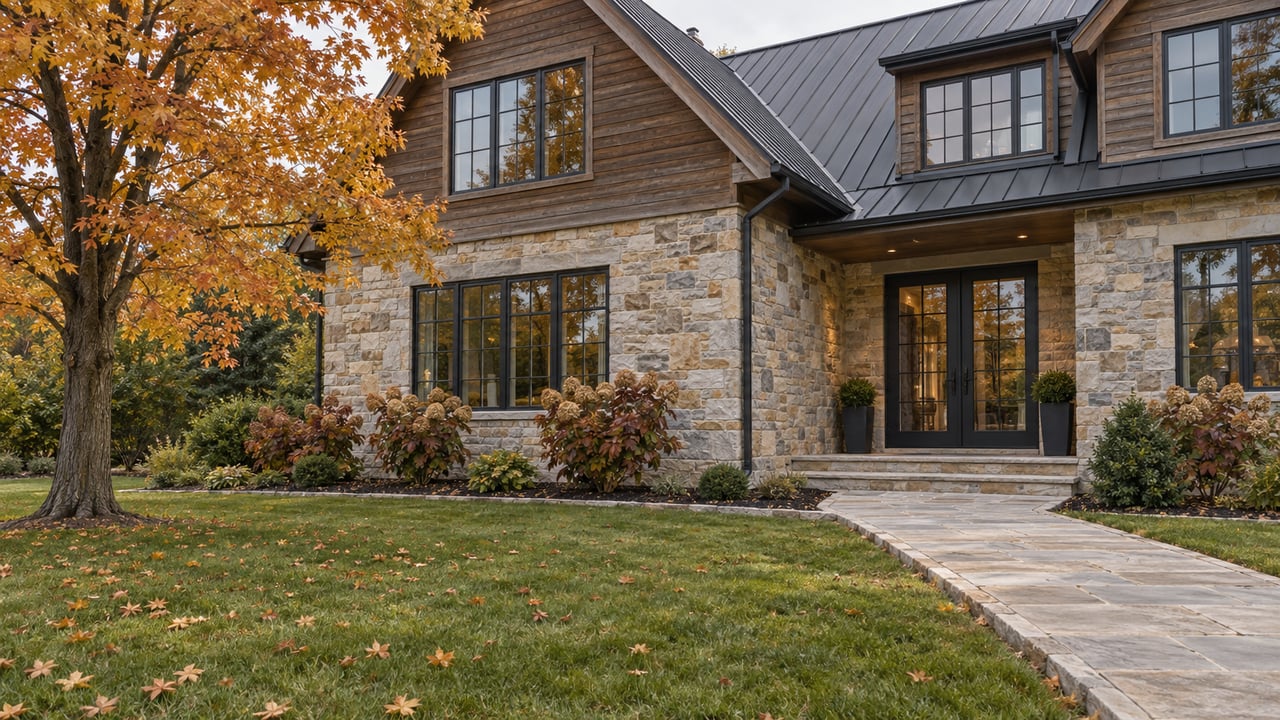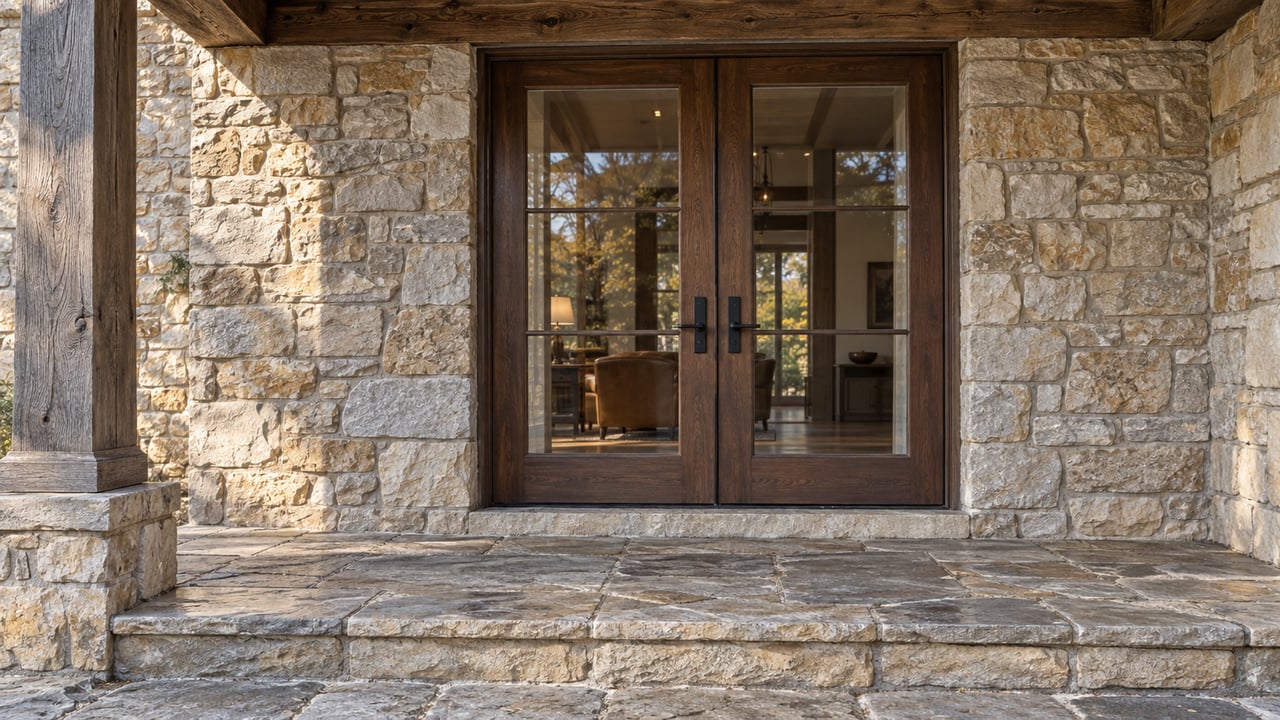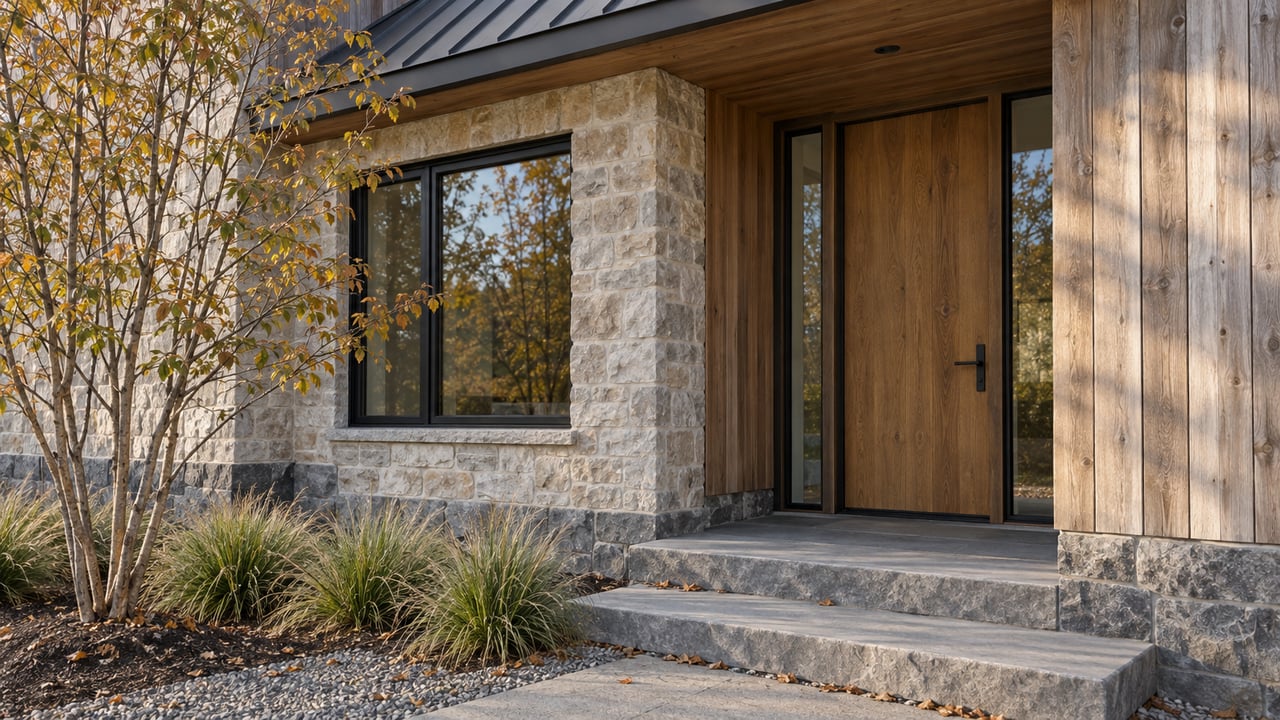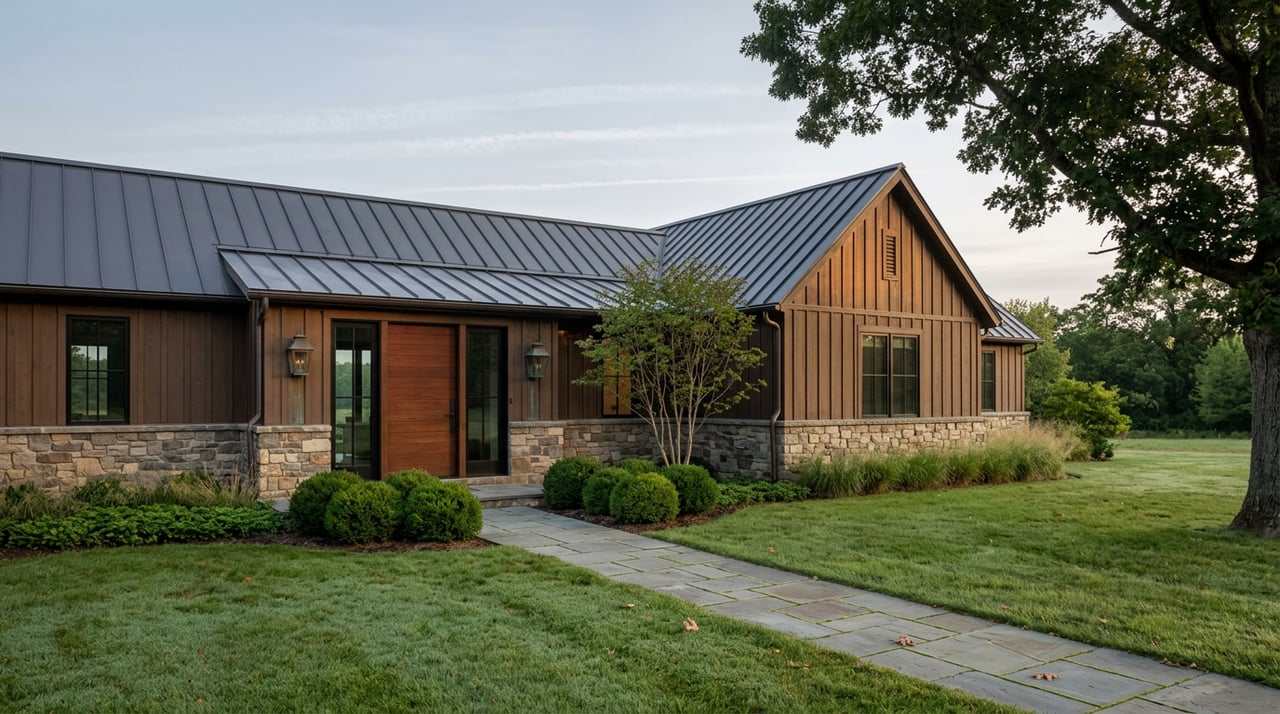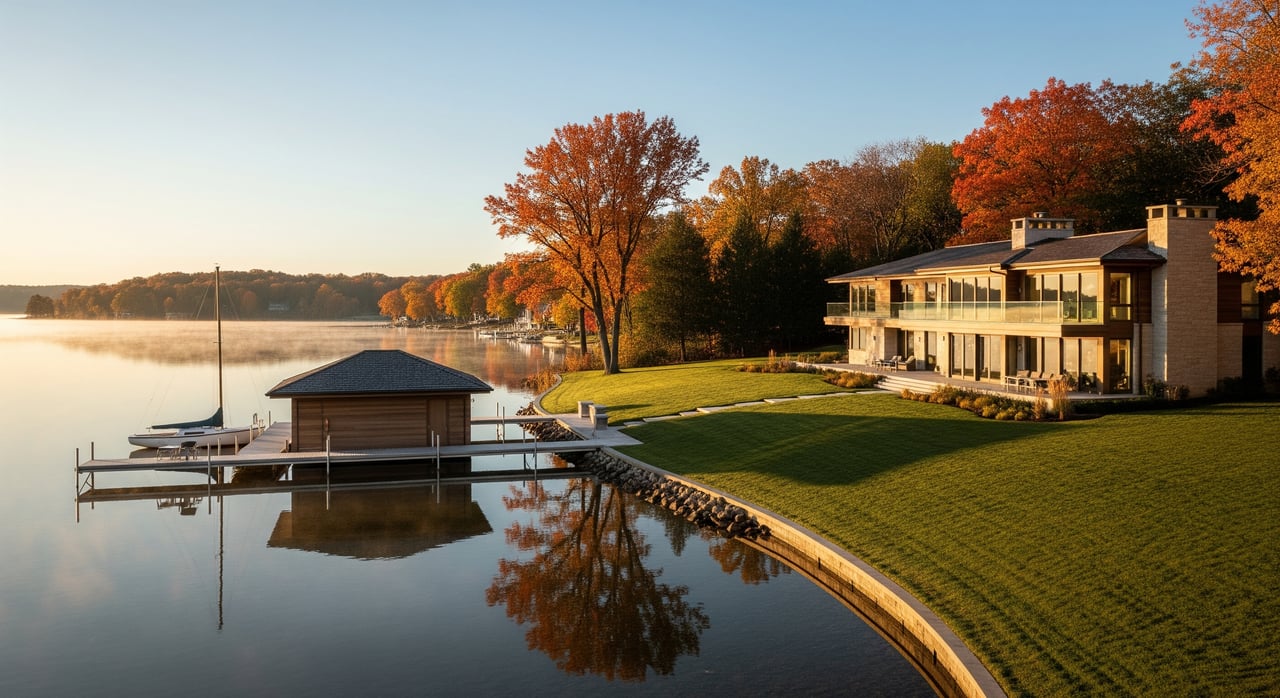
Wondering why homes in Delavan seem to fly off the market in May but linger in January? You are not imagining it. Seasonal patterns shape how many listings you see, how fast homes move, and how much leverage buyers and sellers have. In this guide, you will learn what to expect in each season, how Delavan’s lake lifestyle influences demand, and how to plan your next move with confidence. Let’s dive in.
Seasonality at a glance
Seasonal cycles in housing are consistent year after year. Activity generally peaks in spring and early summer, tapers through fall, and slows in winter. Weather, school calendars, relocation timelines, and buyer psychology all play a role.
In Delavan, those patterns hold true, with a twist. Lake Delavan and nearby recreation amplify warm-weather demand, especially for lakefront and vacation-minded buyers. Thinner local inventory can also make seasonal swings feel more pronounced.
Spring in Delavan
What to expect
Spring usually brings the largest jump in new listings and showings as the weather improves. Buyers planning summer moves or aligned with school schedules are the most active. Move-in-ready, well-priced homes can see shorter time on market and stronger competition.
Tips for sellers
- Prepare in late winter, then list in early to mid-spring to catch peak demand.
- Focus on curb appeal, staging, and professional photos to stand out.
- For lake or recreational properties, highlight shoreline access and warm-weather amenities.
Tips for buyers
- Expect faster timelines and potential multiple-offer situations on desirable homes.
- Get pre-approved and line up inspectors so you can move quickly.
- Be clear on must-haves versus nice-to-haves to stay decisive.
Summer momentum
What to expect
Early summer often continues spring’s pace. By mid to late summer, activity can dip as travel picks up. Lake and seasonal homes see peak interest, with busy weekend showings and lifestyle-focused buyers.
Tips for sellers
- Lean into lake-life presentation for waterfront and recreational listings.
- Make weekend access easy and show-ready, since traffic can spike then.
- If your home needs work, consider pricing and presentation strategies to keep days on market in check.
Tips for buyers
- Tour lakefront or seasonal properties in the season you plan to use them.
- Watch for weekday opportunities if weekends are crowded.
- If a listing lingers into late summer, you may find more negotiation room.
Fall reset
What to expect
Buyer activity typically lightens after summer. Some buyers and sellers push to close before year-end, creating a brief early-fall bump. Overall, there is less competition and generally more negotiation flexibility.
Tips for sellers
- Expect longer marketing times compared with spring and early summer.
- Price competitively and be ready to negotiate on timing and terms.
- Keep exterior maintenance up as leaves fall and weather shifts.
Tips for buyers
- Use the calmer pace to revisit favorites and compare options.
- Ask for repairs or credits when appropriate, since competition is lower.
- Plan due diligence early if you want to close before the holidays.
Winter slowdown
What to expect
Winter usually brings the lowest inventory and fewest showings. Active buyers tend to be more motivated or value driven. Time on market can be longer unless a home is priced and presented to stand out.
Tips for sellers
- Emphasize comfort and energy efficiency in marketing.
- Use warm interior photos and keep driveways and walkways clear for showings.
- With fewer competing listings, a sharp price and strong presentation can still deliver good results.
Tips for buyers
- You may find better leverage, but expect fewer choices.
- Build extra time into your contract for weather-affected inspections or repairs.
- Be patient. The right home may take longer to appear.
Local factors that shift timing
- Lake and recreation influence: Lake Delavan boosts summer demand for waterfront and vacation-minded buyers. Showing schedules often cluster on weekends, and seasonal amenities matter more.
- Commuter and second-home traffic: Proximity to regional metros brings weekend visitors, especially in warmer months, adding to seasonal showings.
- Thin inventory dynamics: Smaller markets can feel swings more strongly. A modest rise in spring listings can quickly change the pace of sales.
- Winter operations: Snow and frozen ground can slow exterior inspections, septic evaluations, and some repairs. That can lengthen contingencies or extend timelines.
- School and work calendars: Moves often align with late spring and early summer. Back-to-school and year-end targets shape fall decision making.
- Events and tourism: Festivals and lake-season activities increase awareness in summer and can complicate showing schedules during peak weekends.
Smart timing strategies
Sellers: plan by season
- Spring launch: If you are flexible, aim to list in early to mid-spring. Use late winter for repairs, staging, and photography.
- Summer spotlight: For lake and recreational homes, highlight shoreline access, docks, and outdoor living. Prioritize easy weekend showings.
- Fall and winter success: Expect fewer showings and longer timelines. Price to current comps and emphasize comfort features. Invest in warm, inviting visuals.
- Operational prep: Schedule inspections and exterior work as weather allows. Tackle curb appeal before the first snow or right after the thaw.
Buyers: time and negotiate
- Winter leverage: You may gain negotiation room, but be ready for slower scheduling and fewer options.
- Spring readiness: Have financing and due diligence set so you can act decisively on a great home.
- Lakefront timing: Tour in summer to fully assess shoreline, docks, and recreational access.
- Build buffers: Appraisal and inspection schedules can stretch in winter or peak periods.
Presentation that maximizes value
No matter the season, the fundamentals win. Competitive pricing, thoughtful preparation, and premium presentation reduce days on market and support stronger offers. For many sellers, concierge-style pre-listing work creates a major advantage. Strategic repairs, staging, and standout marketing assets can help your property shine in any season.
Ready to time your move?
Seasonality provides a roadmap, not a rulebook. Your optimal timing depends on your goals, property type, and flexibility. If you want a plan tailored to your home or search, let’s talk. Connect with Shannon Blay for local guidance and a personalized strategy.
FAQs
Is spring always the best time to sell in Delavan?
- Spring typically brings the most buyer activity and the shortest timelines, especially for move-in-ready homes. Lakefront or investment properties can also perform well in summer, and motivated sellers can succeed in fall or winter with realistic pricing.
Should Delavan buyers wait until winter for deals?
- Winter often has less competition and more negotiation room, but inventory is thinner and inspections or repairs can face weather delays. The tradeoff is fewer choices.
How much longer will a home sit in winter versus spring?
- Winter is usually slower and spring is faster, but results vary by price, condition, and property type. Expect longer marketing times in winter unless a home is sharply priced or highly desirable.
Are lakefront homes in Delavan more seasonal?
- Yes. Waterfront demand is stronger in warmer months, and it is easier to evaluate shoreline, docks, and access in summer than during freeze-up.
What winter hurdles can affect closings in Delavan?
- Exterior inspections, septic or soil evaluations, and some repairs can be delayed by snow or frozen ground. Add scheduling buffers to keep your closing on track.